Proudly serving Tucson, Oro Valley, Marana, Catalina Foothills, Casas Adobes, Sahuarita & surrounding areasCall or Text 24/7: 520-569-2093

Tree Removal & Hazard Mitigation Services in Flowing Wells, AZ

Tucson Tree Service Co. provides tree removal, tree trimming, tree pruning, and stump grinding for homes and businesses throughout Flowing Wells, Arizona. We also handle 24/7 emergency tree service, storm damage cleanup, palm tree trimming, cactus removal, tree health consultations, and tree planting. Our crews plan around caliche soil, monsoon winds, structures, power lines, and irrigation lines before work begins. Every removal estimate includes debris hauling, with stump grinding quoted clearly when requested.

Flowing Wells trees contend with shallow roots above caliche hardpan, summer temperatures that regularly top 100 degrees, and intense monsoon wind loading. Older mesquite, Aleppo pine, eucalyptus, and Chinese elm can develop structural weaknesses that are not always visible from the ground. We use ISA-informed practices, ANSI A300 pruning standards, and site-specific removal plans to reduce avoidable risk. As a licensed and insured tree service, we can also provide current coverage documentation before a large job begins.

Request a free on-site estimate for a clear scope based on tree size, species, lean, root condition, access, and nearby property features.

★ ★ ★ ★ ★4.9/5 Average Rating - 20+ Years of Experience - Flowing Wells Tree Service Company Specialists - Residential & Commercial
Tree Care Services

Tree Services Available in Flowing Wells, AZ

From planned pruning and planting to hazardous removals and storm cleanup, each service is tailored to the tree, site access, and desert growing conditions. We work throughout the Flowing Wells CDP and nearby Tucson-area communities; for property owners farther north, our service area also includes Catalina, AZ .

Tree Removal

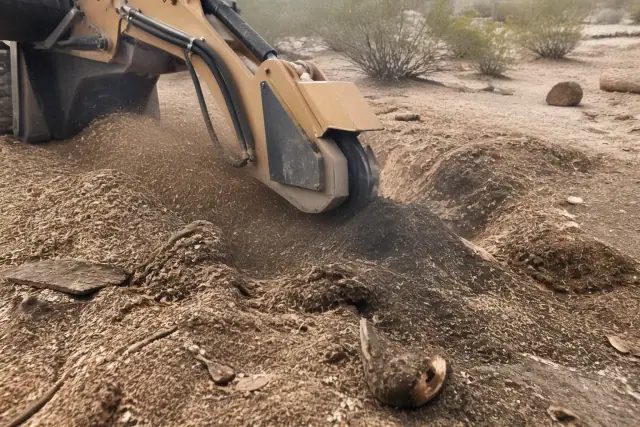
A stump grinder pulverizing a large wooden tree stump into mulch in Flowing Wells, AZ.

Residential and commercial removals begin with an assessment of root structure, lean angle, access, and nearby structures, power lines, irrigation, fences, and pools. Crews use directional felling or controlled section removal with rigging, including for large-tree jobs exceeding 60 feet, and haul away the debris.

Explore Service

Tree Trimming

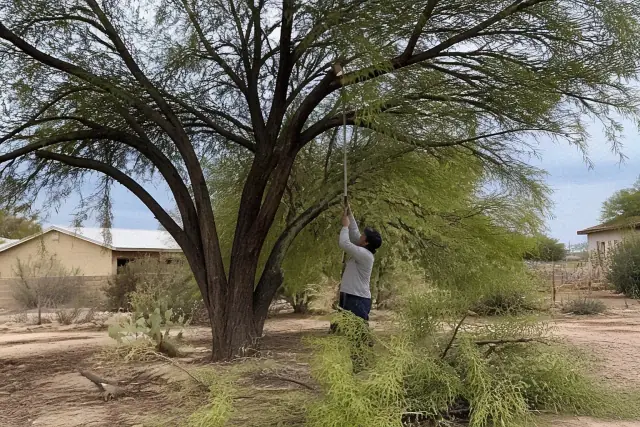
Worker pruning tree branches for crown restoration at a jobsite in Flowing Wells, AZ.

Crown thinning can reduce wind sail before monsoon gusts reach 50 mph or higher, lowering the risk of limbs failing over roofs, vehicles, and access areas. Trimming plans account for species, canopy condition, and the stress created by triple-digit summer heat.

Explore Service

Tree Pruning

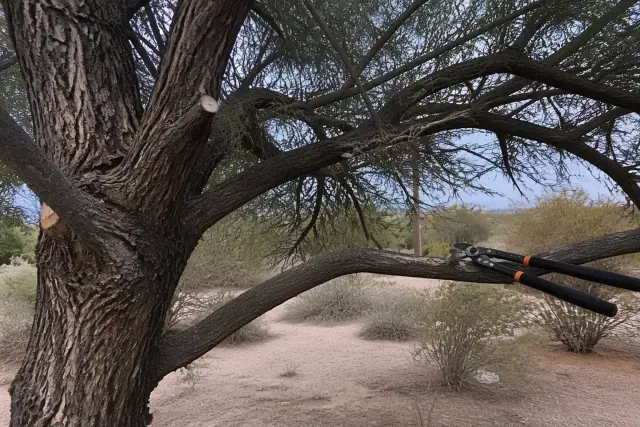
Arborist performing precision crown pruning on a tree in Flowing Wells, AZ with loppers resting on a branch.

Pruning follows ANSI A300 standards and removes no more than 25 percent of a tree's live canopy in one visit. Structural pruning also guides young trees before weak form becomes a larger liability by year ten.

Explore Service

Stump Grinding & Removal

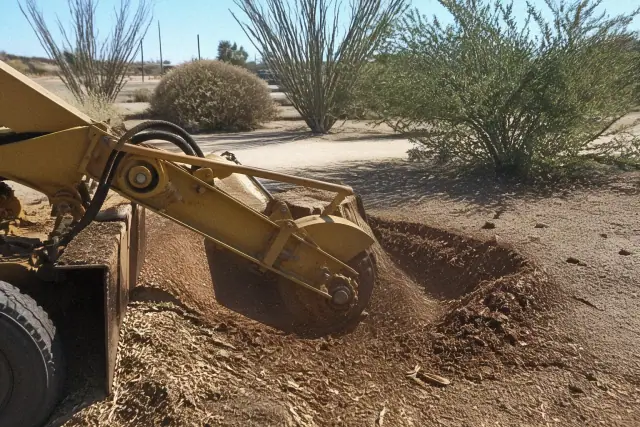
Heavy machinery grinding a large wooden stump into mulch in a desert yard in Flowing Wells, AZ.

Because stumps break down slowly in caliche soil, grinding is often the cleaner option. Stumps can be ground 4 to 6 inches below grade, while visible surface roots are assessed for regrowth concerns; grinding is normally quoted separately from removal.

Emergency Tree Service

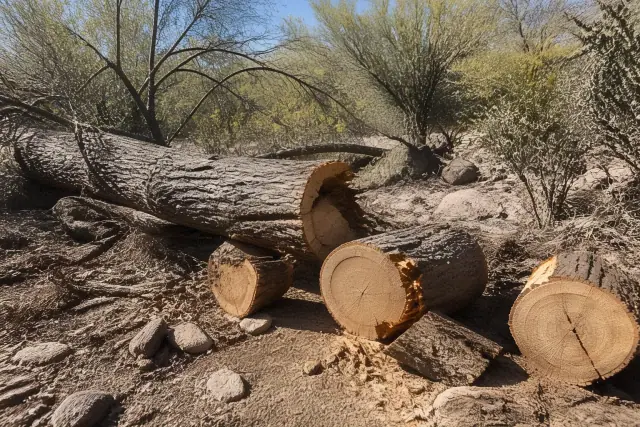
A large downed tree trunk being cut into logs on dry, stony ground in Flowing Wells, AZ.

Our 24/7 emergency service responds to trees blocking driveways, split trunks leaning on roofs, and storm-damaged limbs around utility hazards. The first priority is stabilizing the site, followed by controlled removal and cleanup, with same-day response prioritized when safety is at risk.

Storm Damage Cleanup

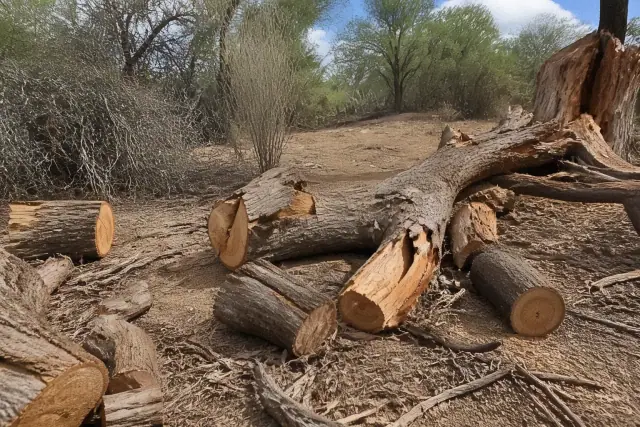
A large, fallen tree trunk being cut into logs during storm cleanup in Flowing Wells, AZ.

Storm cleanup starts with hanging limbs, split trunks, root-heaved trees, and anything threatening structures or access. Crews then chip manageable limbs, grind failed-tree stumps when requested, and haul remaining material off-site.

Palm Tree Trimming

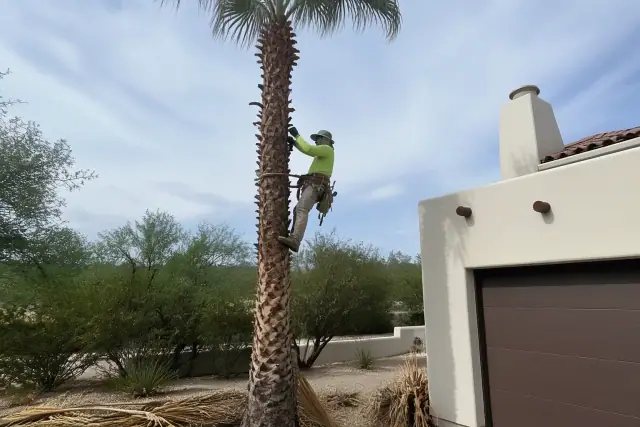
A contractor trimming dead fronds from a tall palm tree in a residential yard in Flowing Wells, AZ.

Annual palm trimming removes dead fronds and seed pods that can become fire hazards, wind-borne debris, or pest habitat. Pole saws, bucket trucks, or climbing gear are selected for the palm's height, and timing before monsoon season helps limit frond breakage.

Cactus Removal

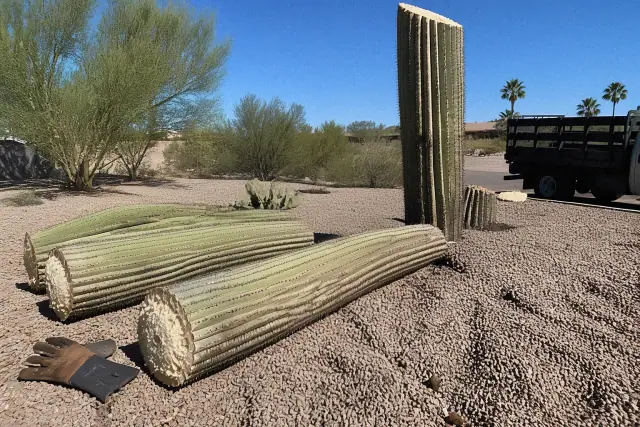
A worker removing a large saguaro cactus in a Flowing Wells, AZ residential yard with desert landscaping.

Saguaros, prickly pear, and cholla may be subject to Arizona Native Plant Law and salvage requirements. We check the species, size, and applicable requirements before removing overgrown or damaged cactus from side yards, foundations, and walkways.

Tree Health & Arborist Consultation

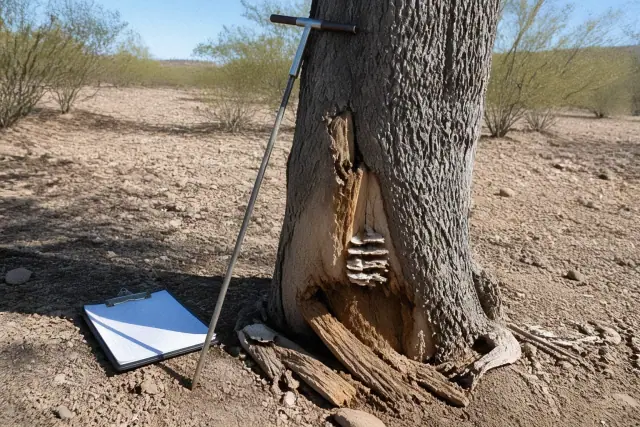
Arborist inspecting tree trunk decay and fungal growth in Flowing Wells, AZ with a soil probe and clipboard.

A tree health consultation can evaluate bacterial wetwood in mesquite, borer pressure in Aleppo pine, and root rot associated with overwatering. The service includes soil and canopy inspection, a written assessment, and treatment or removal recommendations.

Tree Planting

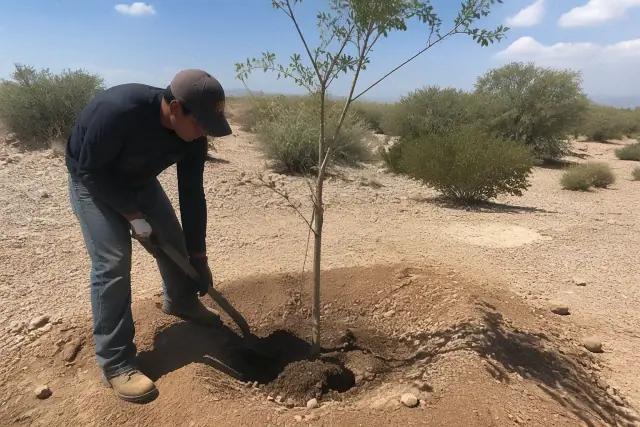
Technician backfilling soil around a newly planted tree at a job site in Flowing Wells, AZ.

Tree planting is planned around available canopy and root space, irrigation lines, structures, and the drainage limits of caliche soil. Careful placement gives a new tree room to develop without creating avoidable conflicts as it matures.

Choosing Tree Care

How to Choose the Right Tree Service in Flowing Wells

Compare providers on local tree knowledge, job planning, pruning standards, equipment, insurance, cleanup, and the clarity of the estimate. In Flowing Wells, useful recommendations should account for an elevation of roughly 2,300 feet, annual rainfall under 12 inches, shallow caliche, and short periods of intense monsoon runoff.

Local Soil and Species Knowledge

A local crew should understand how caliche affects anchorage and how mesquite, palo verde, Aleppo pine, eucalyptus, and Chinese elm respond to heat, drought, and wind. That context helps distinguish a manageable canopy issue from a root-stability concern.

Equipment and Access Planning

Ask how the crew will protect walls, pools, fences, irrigation, and neighboring structures. Tight lots may require rigging and piece-by-piece section removal, while large or difficult trees may call for a bucket truck or crane.

ANSI-Aligned Pruning

Pruning should follow ANSI A300 practices instead of indiscriminate topping or excessive canopy removal. A clear pruning plan explains which branches will be removed and how the work supports structure and wind resistance.

Hazard Response Planning

For a storm-damaged or partially fallen tree, the provider should explain how the hazard will be stabilized before full removal. Careful cutting sequence matters when a trunk or limb is resting on a roof or could shift toward an access route.

Clear Scope and Cleanup

A useful estimate separates tree removal, stump grinding, surface-root work, and debris handling so the final scope is easy to understand. Our removal estimates include debris hauling, and optional stump work is quoted with the job.

License and Insurance Proof

Confirm licensing and general liability coverage before major tree work starts, especially when heavy equipment or rigging will be used near structures. Tucson Tree Service Co. provides current coverage documentation on request and follows ANSI Z133 safety requirements.

Flowing Wells Tree Risks

Common Tree Problems on Flowing Wells Properties

The Flowing Wells CDP has roughly 16,419 residents and a mix of older residential lots and light commercial corridors. Trees planted during development in the 1960s and 70s now face accumulated drought stress, shallow rooting, drainage changes, and recurring monsoon loads that can turn small defects into property hazards.

Request a Tree Assessment

Shallow Roots in Caliche

Caliche hardpan can begin just a foot or two below the surface, restricting downward root growth. Mature trees may develop broad, shallow roots that lose stability when monsoon rain suddenly saturates the upper soil.

Monsoon Wind Damage

Straight-line winds and microbursts can split co-dominant trunks, tear heavy limbs from weak unions, or topple an entire tree. Leaning trunks, fresh cracks, and hanging branches warrant prompt assessment before more wind or rain arrives.

Flood-Exposed Roots

Properties near the Cañada del Oro and Rillito River washes can experience fast runoff that exposes or undermines roots. A canopy may still look healthy even after anchorage has been weakened below ground.

Drought and Heat Stress

Summer temperatures regularly above 100 degrees, dust, and long dry periods can thin canopies and weaken trees over time. Stress may become most visible when the first strong monsoon event loads dry or brittle limbs.

Disease and Pest Pressure

Bacterial wetwood can affect mesquite, while borers and bark beetle activity can pressure drought-stressed Aleppo pine. Overwatering may also encourage root rot where caliche limits drainage.

Overgrown Palms and Cacti

Dead palm fronds and seed pods can become wind debris, fire fuel, and pest habitat. Saguaros, prickly pear, and cholla that crowd walkways, side yards, or foundations require careful handling and a check of applicable salvage rules.

Why Choose Us

Why Choose Tucson Tree Service Co. in Flowing Wells?

Our recommendations are based on repeated work in Tucson Basin caliche, monsoon wind patterns, and the tree species found across Flowing Wells. Each job starts with the actual tree and site rather than a generic per-foot assumption.

Site-Specific Assessment

We evaluate species, size, lean, root condition, canopy defects, access, and nearby property features before recommending pruning or removal. That inspection helps shape a safer cutting and rigging plan.

Written Recommendations

Tree health consultations include a written assessment with treatment or removal recommendations. For removal work, the estimate explains the planned scope so decisions can be made before scheduling.

Complete Debris Management

Removal work includes hauling debris instead of leaving a yard full of branches. Smaller material may be chipped on-site, with the remaining material taken away after the tree is down.

Clear Removal Process

Our Tree Removal Process in Flowing Wells

A structured process keeps the scope, hazards, access plan, equipment, and cleanup expectations clear. The sequence can be adapted for routine removals, hard-to-access trees, or urgent storm damage.

01.

On-Site Estimate

We visit the property, discuss the concern, and prepare a free estimate based on the actual tree and work area.

02.

Tree and Site Assessment

The assessment covers species, size, lean, root condition, canopy structure, access, property boundaries, utility lines, irrigation, and nearby structures.

03.

Requirement Check

For trees near roads, drainage easements, or rights-of-way, we check whether Pima County notification or other requirements apply before work begins.

04.

Removal Plan and Scheduling

After approval, we select a cutting sequence and schedule the rigging, chipper, bucket truck, or crane needed for the site's access and hazards.

05.

Controlled Tree Removal

The crew uses directional felling where space allows or lowers the tree in sections when fences, pools, roofs, or neighboring property limit the drop zone.

06.

Stump and Debris Cleanup

Smaller debris is chipped, remaining material is hauled away, and stump grinding is completed when included in the approved scope, leaving the work area clean.

Practical Outcomes

Tree Care Outcomes for Flowing Wells Homes & Businesses

Case Study 1: Safer access and structures: Hazard-first planning addresses hanging limbs, split trunks, and unstable trees that threaten roofs, vehicles, driveways, or commercial access.

Case Study 2: A cleaner finished site: Controlled cutting, on-site chipping where appropriate, stump grinding when selected, and debris hauling keep cleanup within one coordinated scope.

Case Study 3: Better long-term decisions: Soil, canopy, pest, disease, and root observations support practical choices among pruning, treatment, planting, and removal.

Plan Your Tree Work

Schedule a Flowing Wells
Tree Service
Estimate

Tell us about the tree, stump, storm damage, palm, or cactus that needs attention. We will assess the site and provide a free estimate with the recommended scope and cleanup details.

Tree Service Answers

FAQs About Tree Service in Flowing Wells, AZ

These answers cover common questions about removal pricing, timing, emergency work, pruning, stump grinding, cactus requirements, and local service coverage. A site visit is still the best way to evaluate the tree, access, roots, and nearby structures.

Call About Tree Service

A tree around 20 feet tall is generally considered small to medium and often falls in the $150 to $400 national range. In Flowing Wells, species, access, root complexity in caliche, and nearby walls or irrigation lines can move the price within or beyond that range. We provide a firm on-site quote and include debris hauling in the estimate.

Free tree removal is uncommon, although reduced-cost or subsidized help may sometimes be available when a dead or dying tree presents a clear public-safety or utility hazard. Ask us about current pricing flexibility for the specific situation. The on-site estimate is free.

A removal near $1,000 often involves a tree around 60 feet or taller, or a smaller tree with difficult access, heavy lean, or close structures that require careful rigging. National estimates for trees over 60 feet commonly range from $800 to $2,500 or more. The actual quote depends on the tree and site rather than height alone.

Late fall through winter is generally the more affordable scheduling window in the Tucson area because storm demand has eased and extreme summer heat is less disruptive. Booking before monsoon season begins in June may also offer better availability than scheduling during or immediately after a major storm. Active hazards should not be delayed solely for seasonal pricing.

Look for a licensed and insured crew with experience in Tucson Basin caliche, monsoon winds, and local species. Ask about ANSI A300 pruning practices, proof of insurance, the cutting and rigging plan, and whether cleanup is included. A detailed on-site estimate should make the work scope clear before you commit.

Typical residential removal in Flowing Wells averages around $482 in the source estimate, with roughly $189 for small trees to $753 or more for larger or more complex work. National removal averages range from $450 to $1,450 depending on size and access. Height, trunk diameter, root complexity, rigging needs, and optional stump grinding determine the final quote.

Yes. Tucson Tree Service Co. offers 24/7 emergency service for storm damage, split trunks, fallen trees on structures or vehicles, and blocked access. The crew stabilizes the hazard first, then completes removal and debris cleanup when the site is safe.

Stump grinding can take the stump 4 to 6 inches below grade so the area can be prepared for planting, sod, or paving. We also assess visible surface roots when regrowth or future use of the area is a concern. Grinding is normally priced separately from tree removal and can be quoted at the same visit.

Palms generally need annual trimming to remove dead fronds and seed pods. Scheduling before monsoon season can reduce wind-borne debris, while removing accumulated material also limits fire and pest concerns. The access method depends on the palm's height and crown.

Following ANSI A300 practices, we remove no more than 25 percent of live canopy in a single visit. Desert trees already coping with heat and limited rainfall can be stressed by excessive pruning. The right amount depends on species, condition, structure, and the purpose of the work.

Caliche hardpan may begin just a foot or two below the surface in Flowing Wells yards and can restrict deeper root growth. Trees may instead develop wide, shallow root systems that become less stable when intense rain saturates the upper soil. Root condition therefore matters alongside canopy appearance.

A consultation includes soil and canopy inspection, a written assessment, and treatment or removal recommendations. The evaluation can look for concerns such as bacterial wetwood in mesquite, borer pressure in Aleppo pine, and root rot associated with overwatering. Early identification may create options other than removal.

Yes. Our removal estimates include debris hauling, and smaller material may be chipped on-site before remaining material is taken away. Stump grinding is an optional, separately quoted part of the scope unless the estimate states otherwise.

Some saguaros, prickly pear, and cholla are covered by Arizona Native Plant Law and salvage requirements. The necessary steps depend on the species, size, condition, and planned handling, so we check applicable requirements before removal. This is especially important for mature saguaros.

We work throughout the Flowing Wells CDP, including properties near Flowing Wells Road, La Cañada Drive, Amphitheater High School, Prince Road, Romero Road, and La Cholla Boulevard. Nearby service areas named in the source include Casas Adobes, Catalina Foothills, Oro Valley, and north-central Tucson neighborhoods near the Rillito River. Standard travel also covers most of the greater Tucson metro.